
NectrX
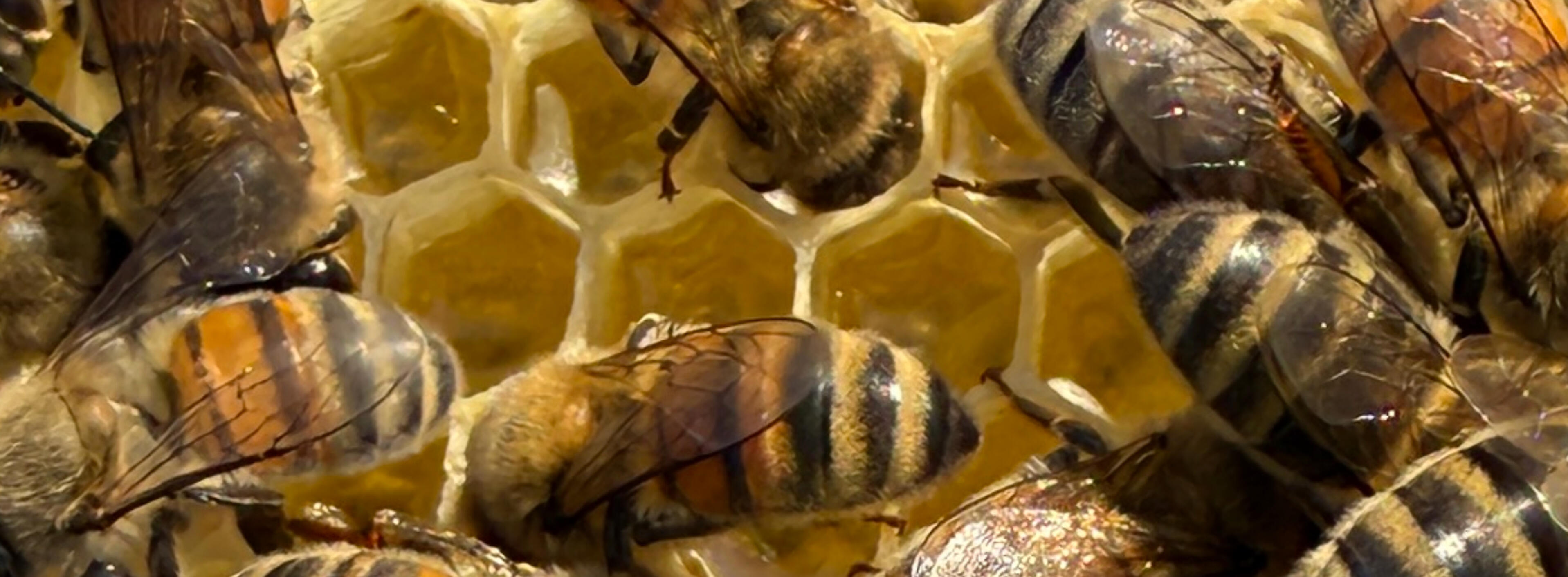
Crafted by Bees, Curated by Nature
Beekeeping. Local biodiversity. A journey in progress.
Bees. Biodiversity. And everything I learn along the way.
A Scottish Beekeeping Journey
Welcome to NectrX, a personal beekeeping project documenting the development of a small apiary near Linlithgow in Central Scotland.From establishing new honey bee colonies and learning the rhythms of the beekeeping season to queen rearing, colony management and preparing bees for the Scottish winter, NectrX follows the realities of keeping bees — one season at a time.
NectrX
Bo’ness, Scotland
[email protected]

About NectrX
Bees. Biodiversity. And everything I learn along the way.
The person behind NectrX
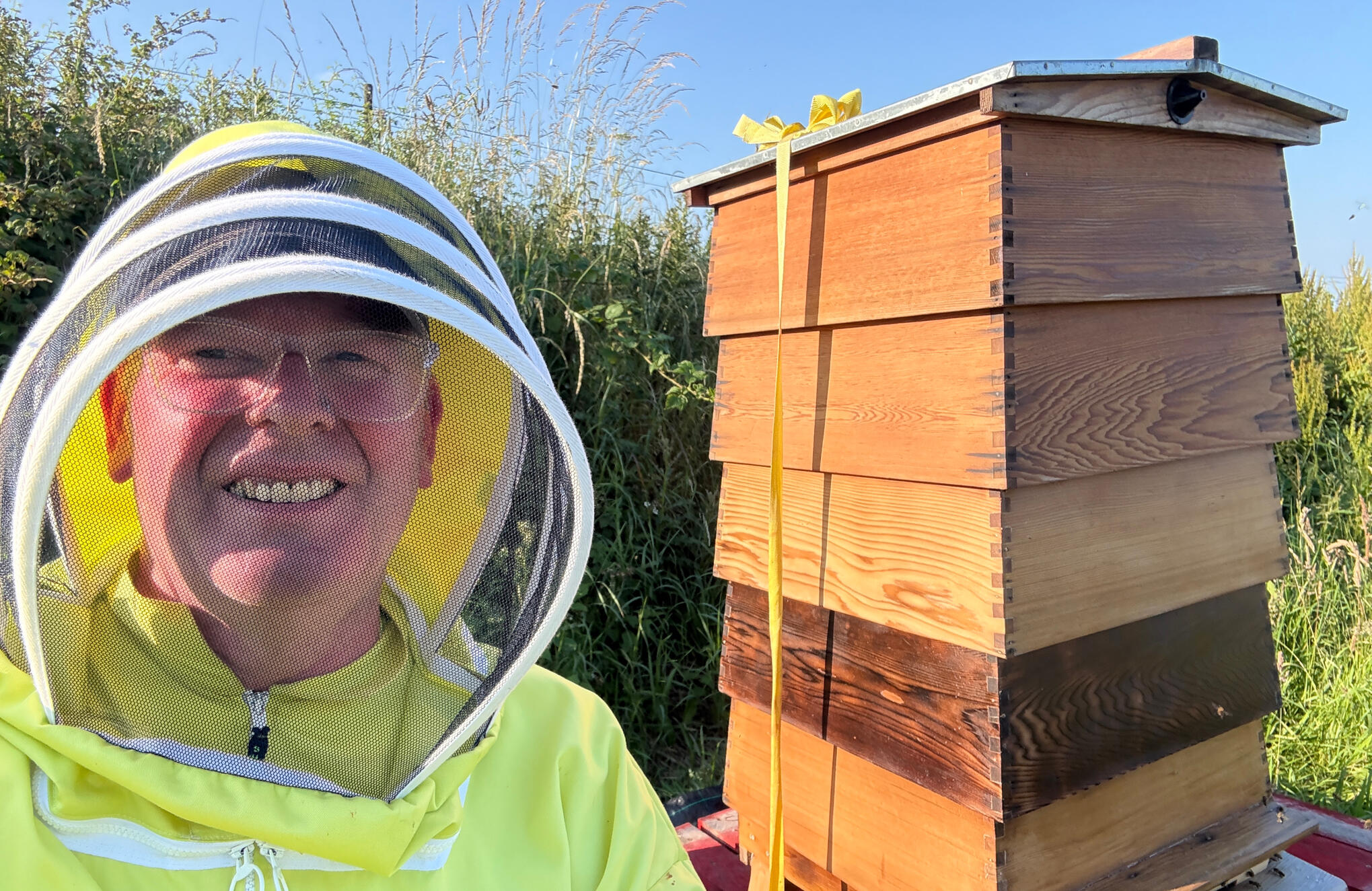
I'm Alan — a butcher by trade, a beekeeper by choice, and the person behind NectrX.
For years I joked that, with the amount of milk and honey my kids went through, I'd either have to keep cattle or bees to save some money.By early 2025 I'd spent enough time watching other people keep bees and decided it was time to have a go myself. My wife had suggested I needed something new to focus on — although I'm not sure she realised that would involve hives, bee suits, thousands of bees and quite how expensive beekeeping can become.
So much for saving money on honey.
Three second-hand hives and a beekeeping course later, there was no going back.
More than keeping bees
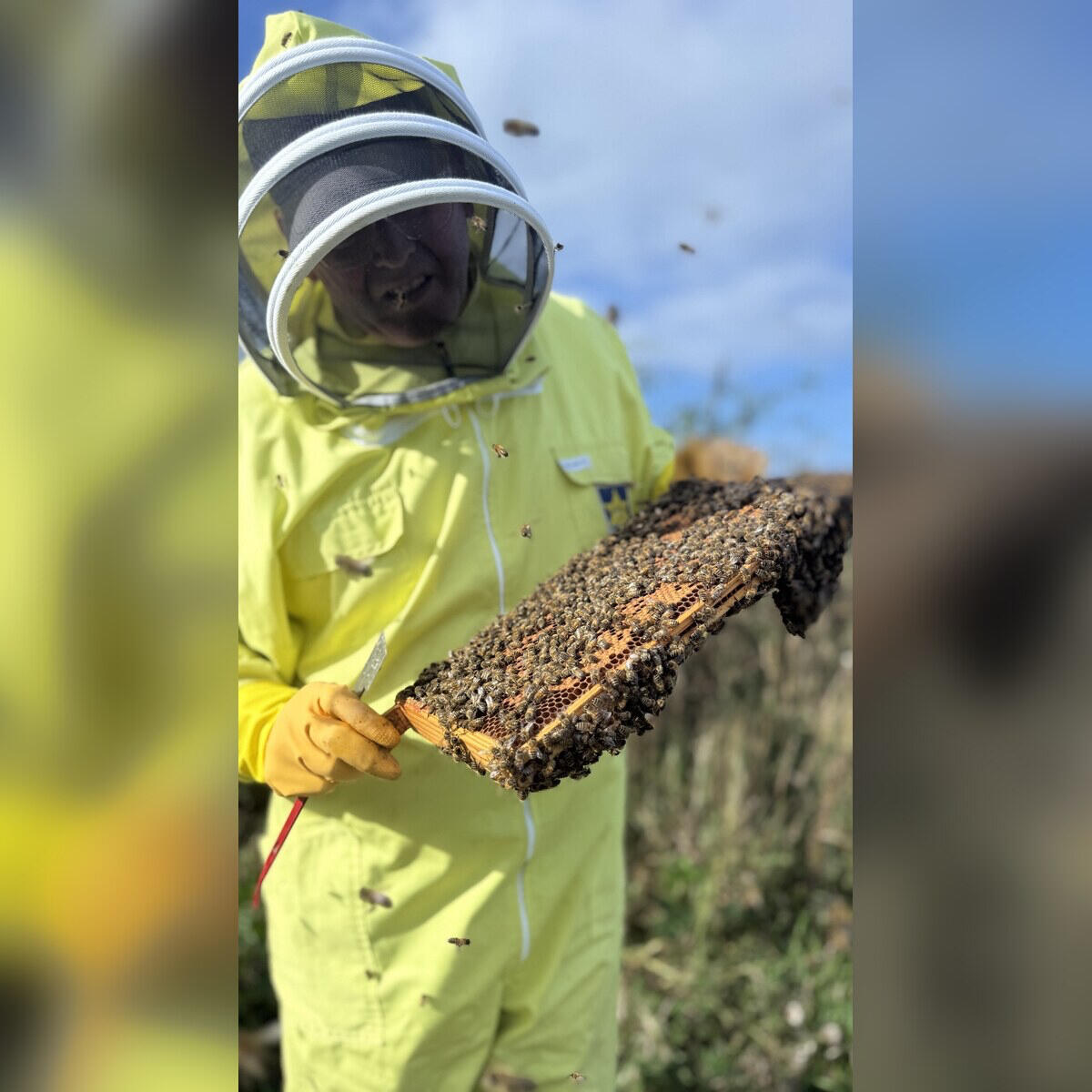
What started as an interest in honey bees has become about much more than what happens inside the hive.Beekeeping has changed the way I look at the landscape around me. I notice what's flowering, where the bees are finding forage and how those sources change as the seasons move on.It's also taught me that bees rarely follow the plan you had in mind. Every colony is different, and just when you think you've worked something out, they'll throw you another curveball.That's a big part of what keeps me interested — observing, learning and trying to make the right decision for the colony in front of me.NectrX is still at the beginning of its story, but the direction is becoming clearer.
It started with bees. I'm interested to see where they take me.
NectrX
Bo’ness, Scotland
[email protected]

Life at the Apiary
Three colonies. Changing seasons. One beekeeper’s journey.
Follow the journey
Follow the colonies, the changing seasons and everything I’m learning along the way. One honest update each month.
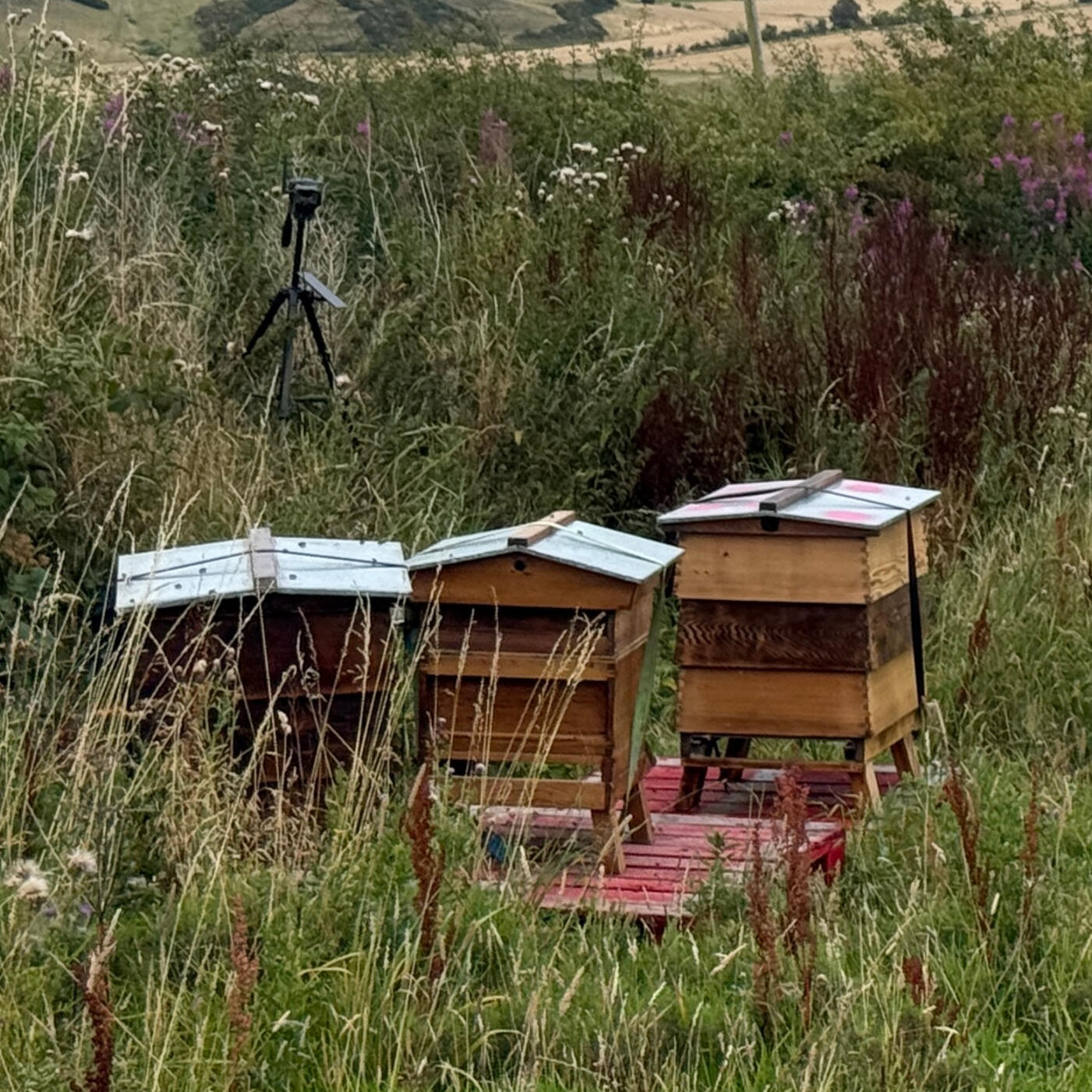
October at the apiary
Preparing for winter · Updated 6 October 2026
October has arrived at Beecraigs, and our attention is turning towards helping the colonies through their first winter with NectrX.On 5 October, we removed the autumn Varroa treatment strips from all three hives and recorded their weights. These readings give us a starting point for monitoring food reserves over the coming weeks, while keeping disturbance to a minimum.Scarlet’s brood box looked well populated, and she received extra feed to help build her winter stores. Freyja remains in her deep brood box, with no super above, and we’ll be keeping track of her weight as autumn progresses.For Black Betty’s colony, there are still unanswered questions. After Betty could no longer be found and no brood was present, we introduced a new mated queen in September. At our latest inspection, we couldn’t find the replacement queen or any eggs or young larvae, so we haven’t yet confirmed whether the colony has a laying queen.For now, the plan is to support the colony with feed, limit unnecessary disturbance and give it time. We’ve shared more about the steps we’ve taken on Betty’s page.This part of beekeeping brings a mixture of preparation, patience and uncertainty. We’ll keep sharing the story as it unfolds—the encouraging moments and the difficult ones alike.
MEET THE HIVES
Three colonies, each with a story to tell.
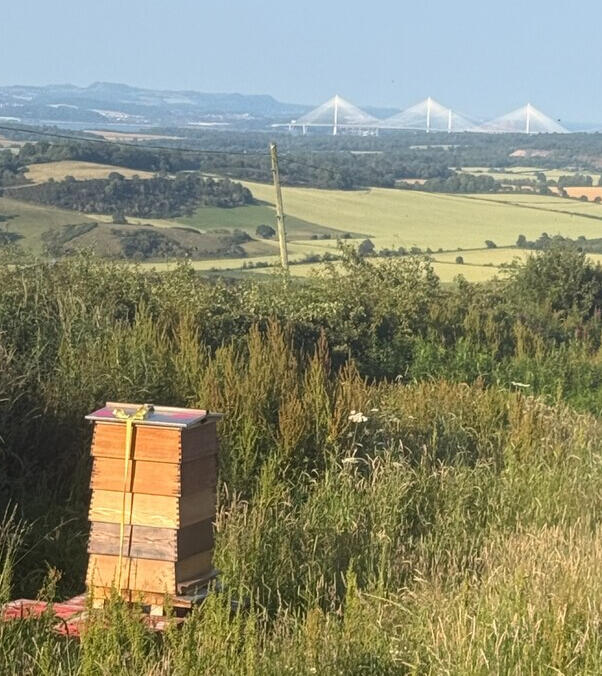
Meet Freyja
Summer fades, preparation begins.
Late August marks a change of focus at the apiary. With brood still present, attention is beginning to turn towards stores, feeding and preparing the colonies for the months ahead.
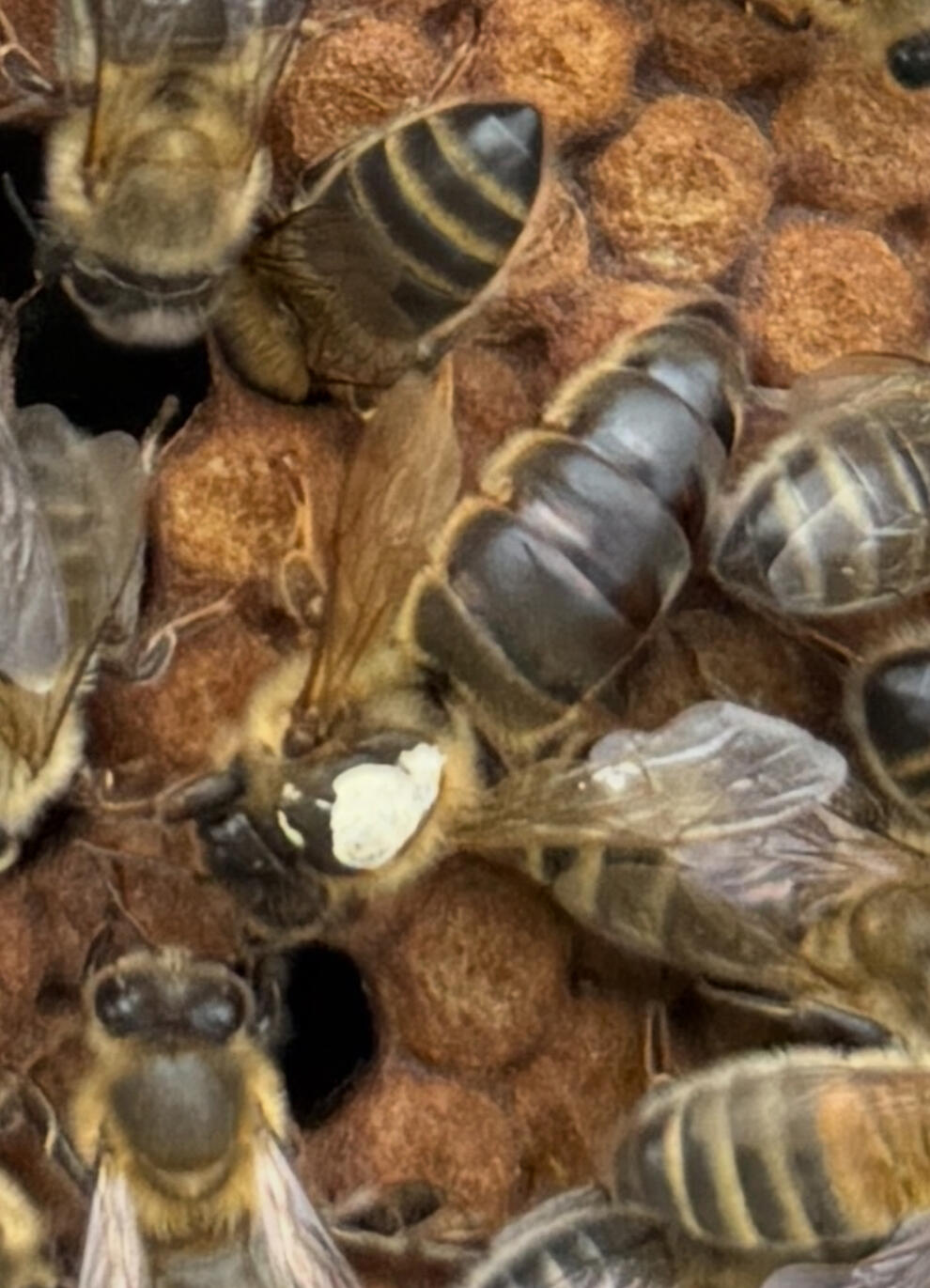
Meet Black Betty
A colony with character—and an uncertain next chapterBlack Betty gave our National hive its name and a memorable start to its story. Following her apparent loss, we introduced a replacement queen in September. Her status remains unconfirmed as we support the colony through autumn.
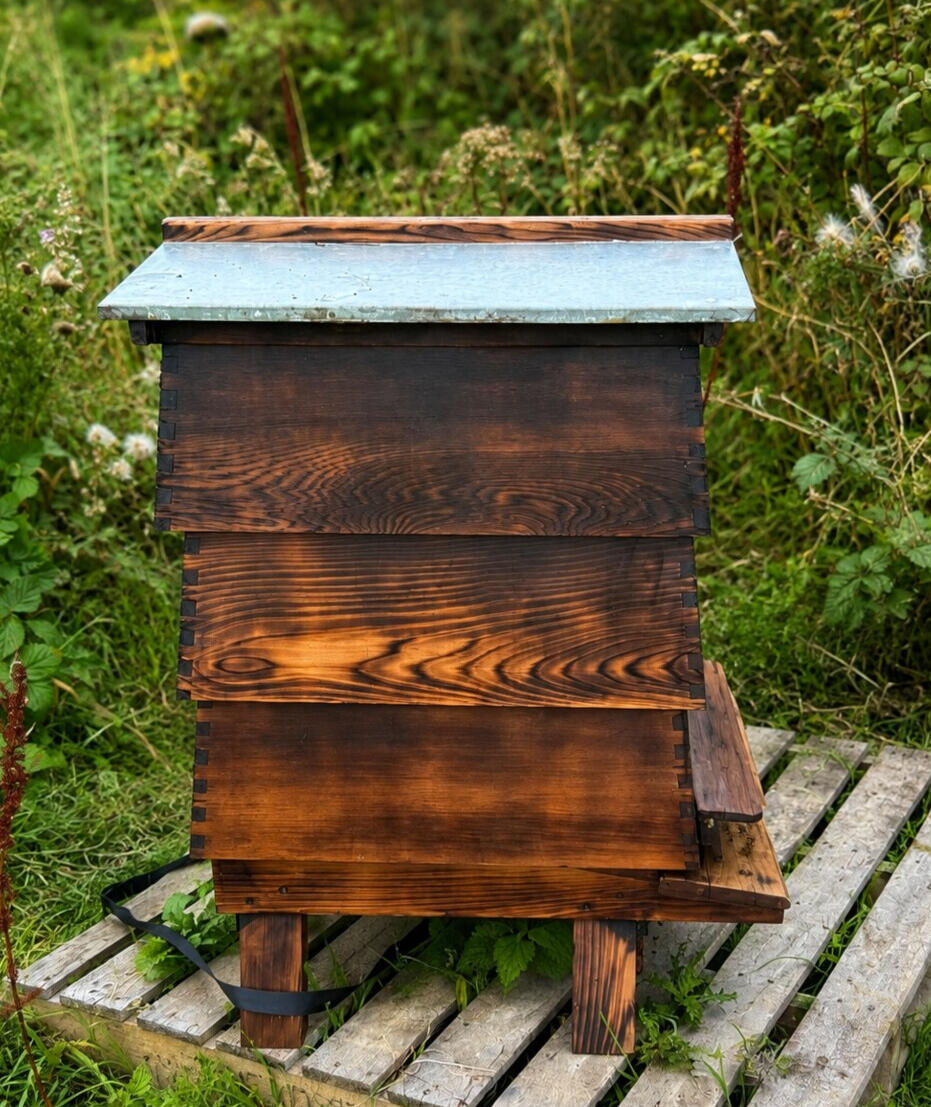
Meet Scarlet
The elusive queen of NectrX.
From a small nucleus colony to her own WBC hive, Scarlet’s story is one of fresh beginnings. She’s good at staying out of sight, but the eggs and young brood tell us she’s been busy.
Monthly updates from the apiary
Follow the colonies, the changing seasons and everything I’m learning along the way. One honest update each month.
Monthly updates only. No spam. Unsubscribe anytime.
NectrX
Bo’ness
[email protected]
Previous Updates
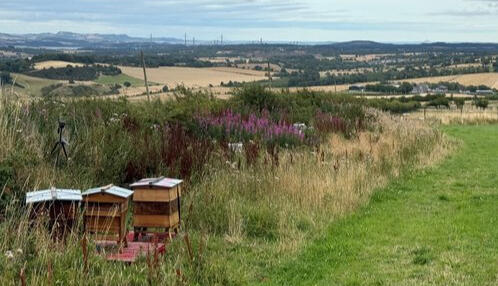
September 2026
September has brought a change of pace at NectrX. With autumn arriving, my attention has turned towards helping the three colonies prepare for their first winter in my care at the apiary.Betty’s colony has brought the biggest uncertainty. After finding no brood and no sign of the original queen, I introduced a new mated queen. I’m still waiting for clear evidence that she is laying—a reminder that beekeeping doesn’t always offer immediate answers.Scarlet’s colony has presented a different challenge: balancing food stores with space for brood. With stores filling much of the brood box, I stopped feeding and added drawn comb above. The bees have started using that space, although there’s more to learn about how the colony will organise itself.For Freyja, the focus has been on winter stores and giving the colony time to settle, with a closer assessment planned when the varroa treatment comes out.My biggest lesson this month has been that each colony needs its own approach. More feed or another inspection isn’t automatically the answer. Sometimes the most useful thing I can do is observe, reassess and give the bees time.The next chapter will follow those autumn checks—and what they tell us about the winter ahead.
Freyja's Story
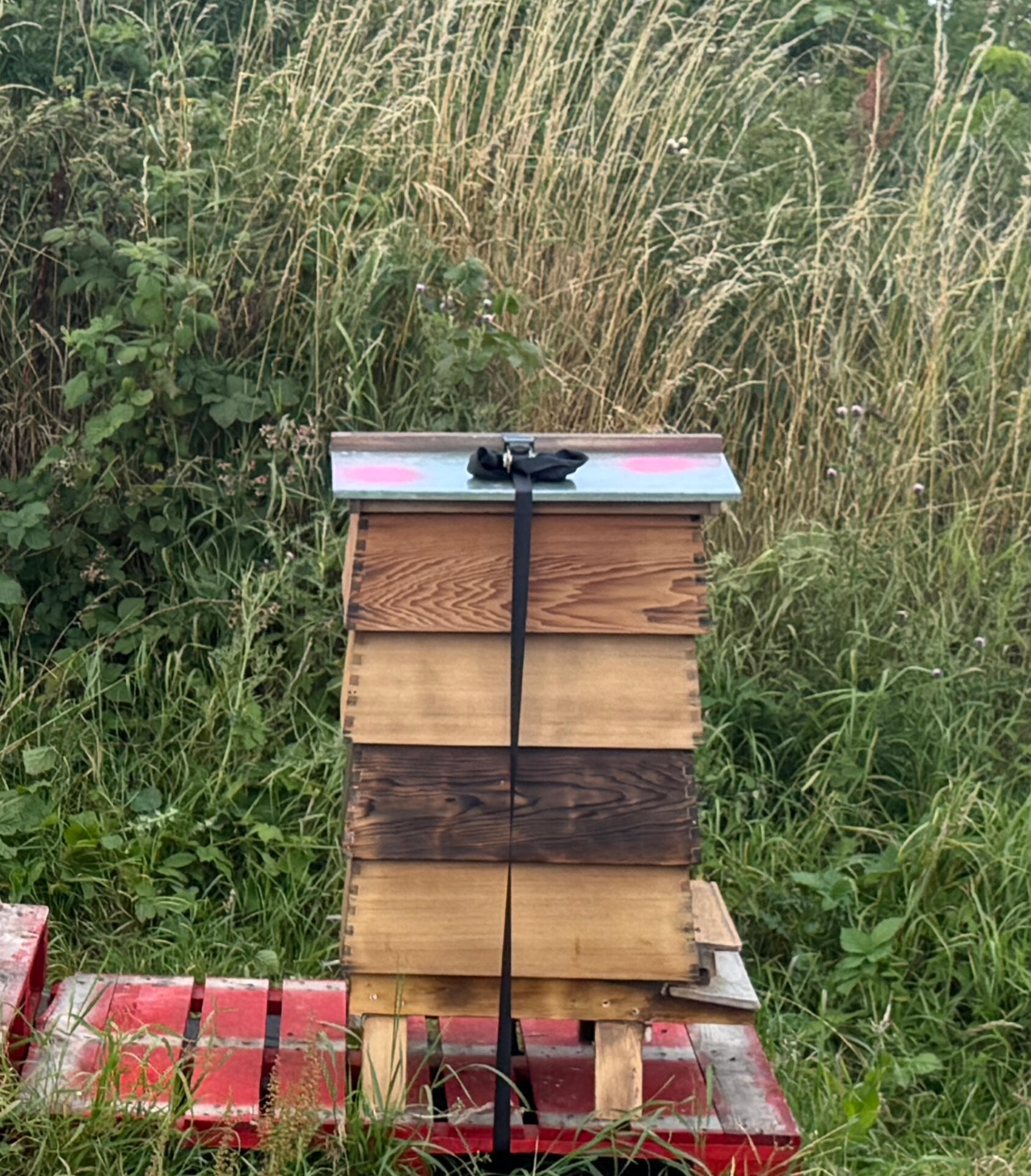
Meet Freyja
Meet Freyja, the queen of our WBC 14×12 colony at the apiary near Linlithgow.Watching her colony develop has been a big part of my beekeeping journey. Each inspection brings something to learn, from spotting fresh eggs and growing brood to understanding how the bees use their space and build their stores.This is Freyja’s story as it unfolds, following her colony through the changing seasons and sharing the progress, challenges and lessons along the way.
Late summer: preparing for autumn
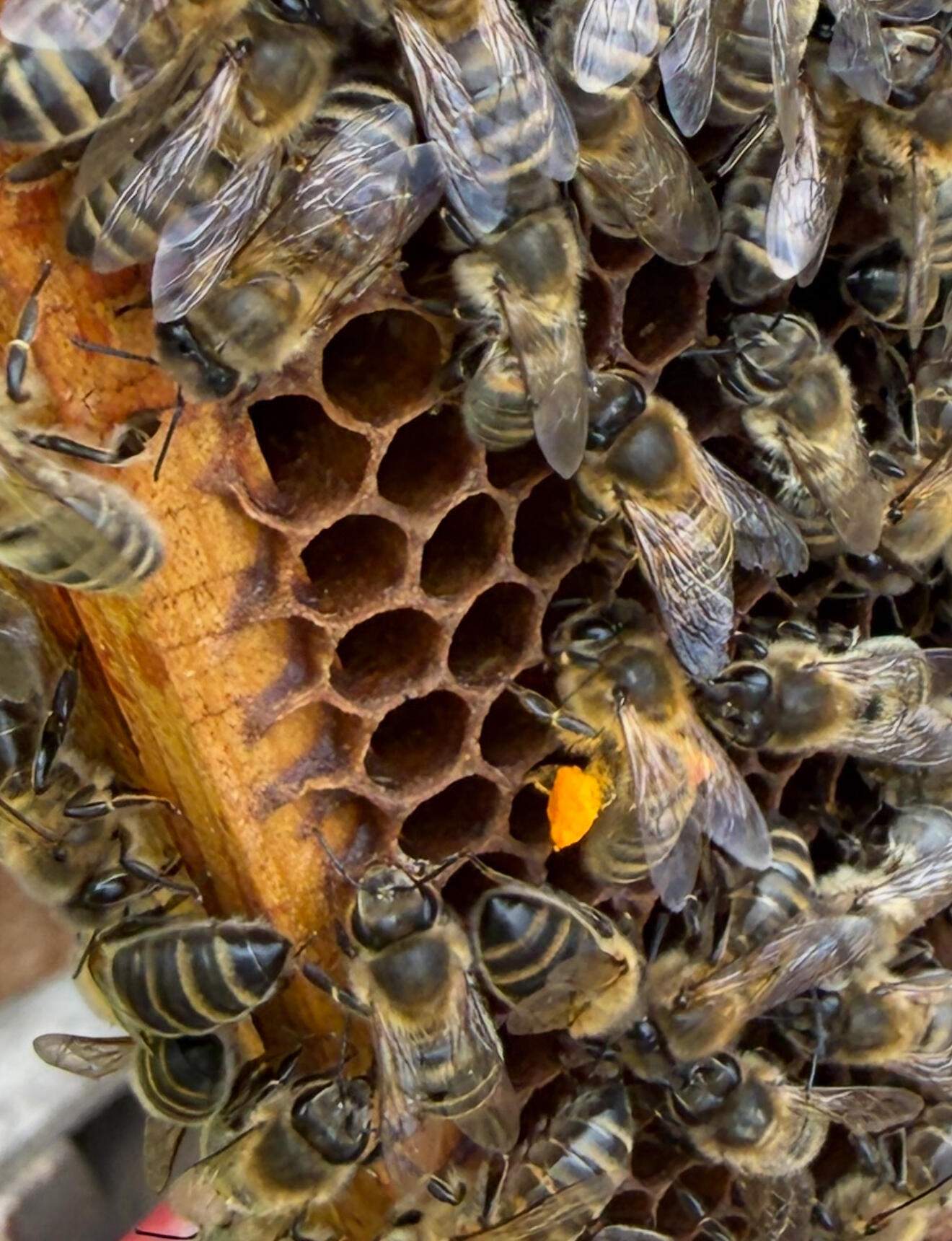
Freyja’s colony had grown strongly through the summer, and this inspection offered some welcome reassurance as autumn approached.There was a good spread of capped brood alongside open brood and eggs, showing that Freyja was laying. The workers were also bringing in pollen and nectar, with plenty of activity across the frames.Some older comb from the original nuc remained in the hive, a reminder of where the colony started and the work still ahead as it developed into its larger home.At this stage, my attention was turning towards winter stores. The plan was to move from lighter summer syrup to a thicker autumn feed, guided by the space and stores available in the hive.Freyja’s colony was teaching me to look closely at what the bees needed and adjust my plans as the season changed. Seeing brood at different stages and plenty of workers was an encouraging point in her story.
Strong brood, a laying queen and plenty of bees — exactly what I wanted to see at this point in the season.
Black Betty
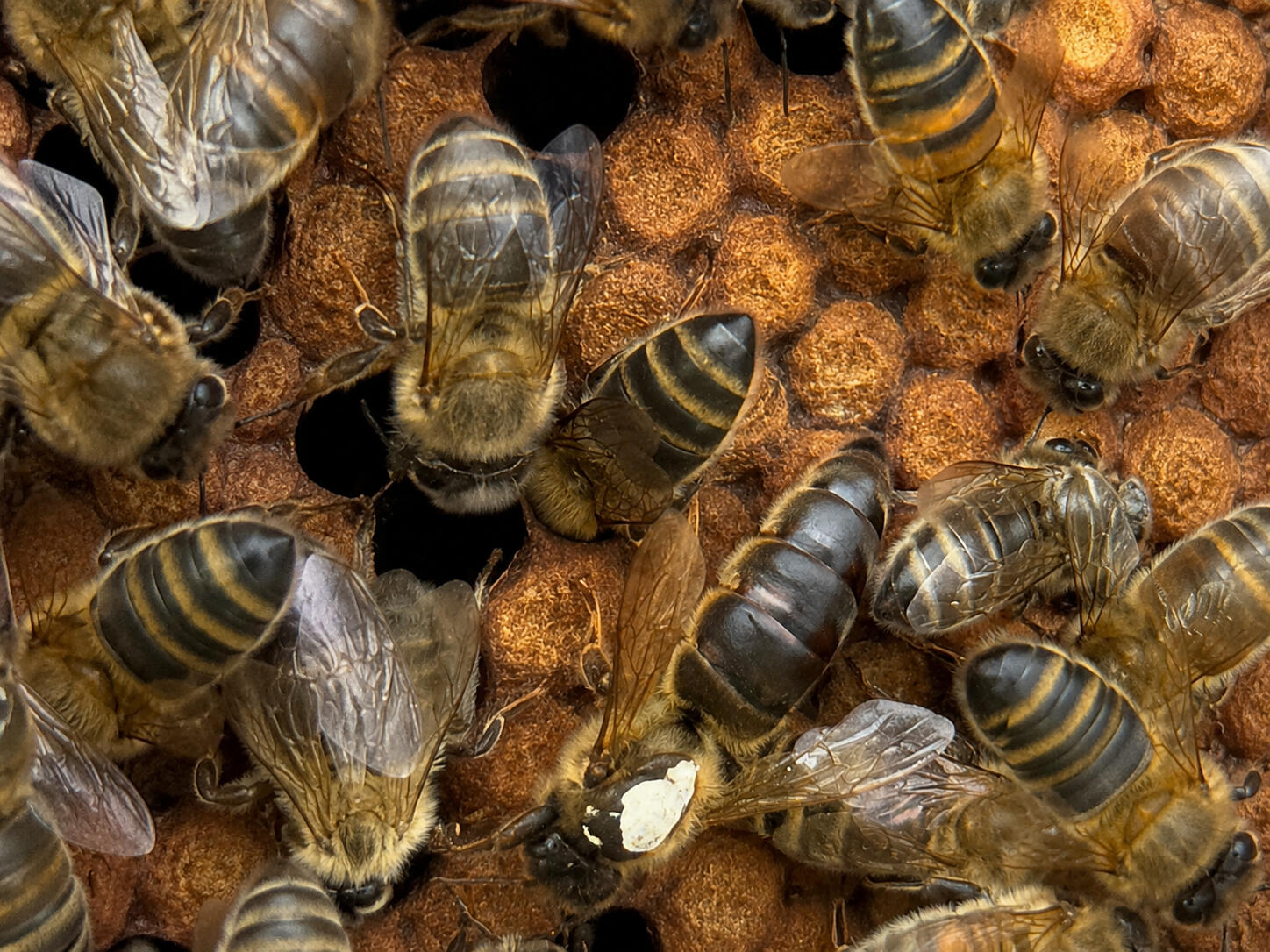
This is Betty's story.
Black Betty — An Uncertain Autumn
Updated 6 October 2026Black Betty’s colony arrived at NectrX as a six-frame nucleus from AJS Honey, before moving into a full-sized Standard National hive at our apiary near Linlithgow. Betty gave the colony its name, and her spirited workers quickly made it one to remember.But September brought an unexpected change.A missing queenAn inspection found no brood, no sign of Betty and queen cells in the hive. We couldn’t establish what had happened to her. The workers may have replaced or killed her, but we have no evidence confirming her fate or linking it to the colony’s defensive temperament.With autumn approaching, we decided to introduce a new mated queen to give the colony a chance to rebuild before winter.Checking for a queenBefore introducing her, we checked for a queen that might still be present, including a possible unmated queen raised by the colony.Using a polystyrene nucleus hive—a small insulated hive—and a queen excluder, we carefully filtered the bees. The aim was to allow the smaller workers through while holding back a queen so she could be found. It was another way of checking, rather than absolute proof that the colony was queenless.On 18 September, we introduced the replacement queen using a protective two-frame cage. This gave her an area of comb while the workers became familiar with her presence. She later left her small travel cage, but that alone did not confirm successful acceptance or laying.October: still waiting for answersOn 5 October, we removed the autumn Varroa treatment strips and checked the colony. We found no eggs or young larvae and did not spot the queen. No queen cells were found on the frames examined.The bees were initially calm when the hive was opened, becoming more defensive as the central frames were inspected. Their behaviour alone, however, cannot confirm whether a queen is present.The replacement queen’s status therefore remains unknown. We have neither confirmed her loss nor found the evidence of a laying queen we were hoping for.Giving the colony timeAfter discussing the situation with an experienced local beekeeper, we decided to give the colony more time, support it with feed and keep disturbance to a minimum.Its future remains uncertain as winter approaches. We hope a queen is present, but further evidence is needed before we can say the colony has turned a corner.Betty remains part of NectrX’s story. Her colony’s next chapter is still unfolding, and we’ll share what happens as we learn more.
Scarlet's Story
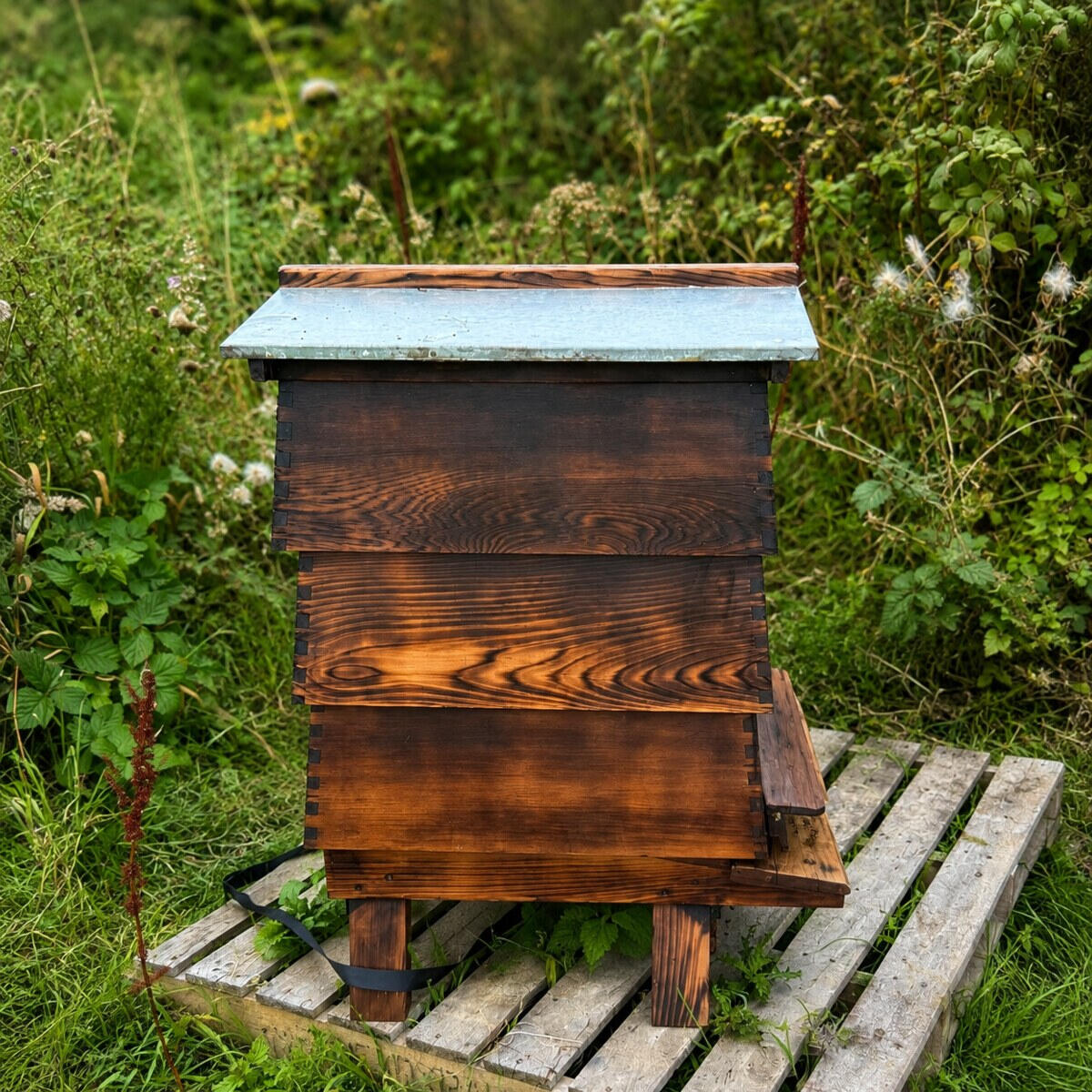
Scarlet's story so far
The colony arrived at NectrX as a nucleus and was transferred into the WBC Standard hive as part of the apiary’s expansion.Like many young colonies, its first season has been about establishment rather than honey production. The focus has been on providing the bees with the space and resources they need to build a strong brood nest and develop sufficient stores for winter.The hive contains a mixture of the original nucleus frames and newer frames that will gradually become part of a cleaner, more uniform brood box.
A new queen
The colony is headed by a mated queen introduced during the summer.Although she has proved particularly good at avoiding the beekeeper during inspections, her presence can be read through the colony itself. Eggs, developing brood and a continuing brood cycle provide the evidence that matters most.Sometimes the best sign of a queen isn’t seeing her at all — it’s seeing the work she’s left behind.
Building the colony
At this stage of the season, the priority isn’t producing a crop of honey.It’s building bees.Healthy brood, increasing stores and a colony capable of maintaining itself through the Scottish winter are far more important than filling supers.The bees are continuing to work the brood box while their food reserves are monitored carefully as summer begins to give way to autumn.
Preparing for winter
The coming weeks will be about helping the colony move from summer growth into winter preparation.Feeding will be adjusted according to the amount of stored food in the hive, while inspections will gradually become less intrusive as temperatures fall and the colony begins organising its winter nest.The aim is simple: a healthy colony, adequate stores and as little disturbance as possible before winter arrives.
What comes next?
This colony will continue to be followed through its first winter at NectrX and into spring.How strongly it emerges, how the queen performs and how quickly the colony develops next season will determine the next chapter.